What a Lâm Đồng Venue Description Can Actually Tell You
Read a Lâm Đồng venue description with care, identify its concrete visitor details, and know what to confirm before choosing a destination or making plans.
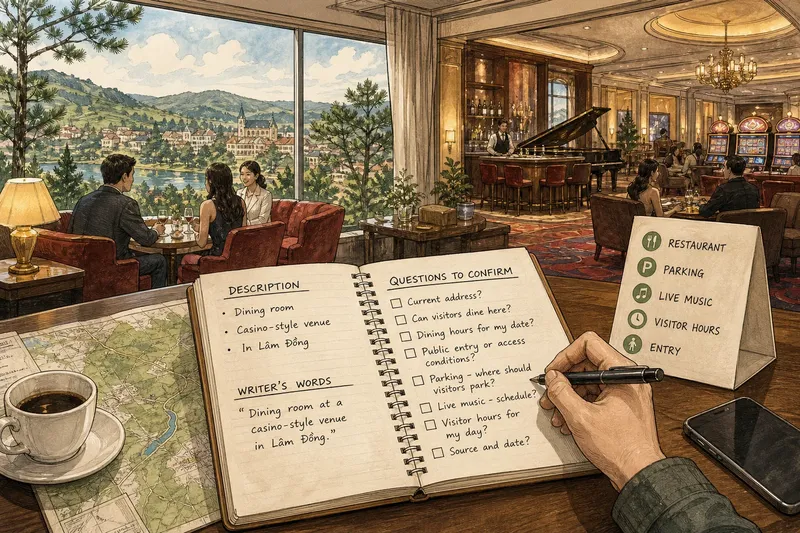
A Lâm Đồng venue description might name a dining room and a broad location, but leave out the address and visitor access. Read the wording as a set of practical clues: identify what it names, what a visitor might reasonably infer, and what remains unanswered.
What does a venue name tell you?
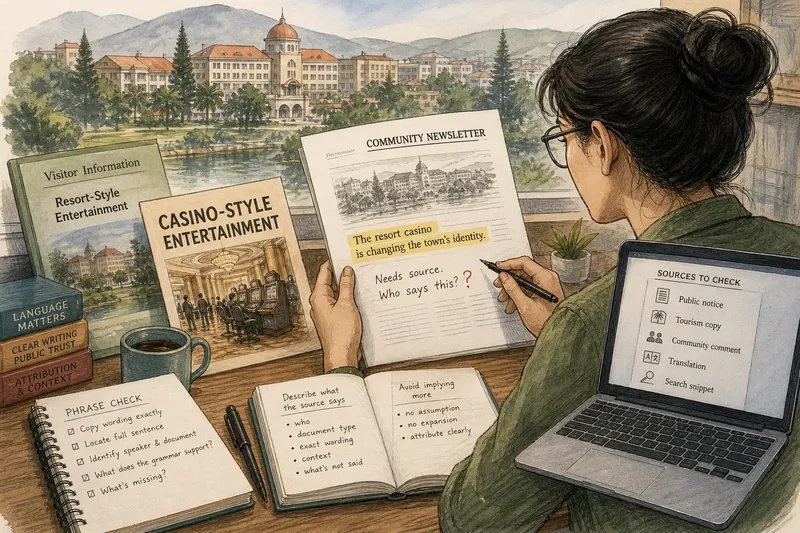
A name tells you how the writer identifies a place. By itself, it does not establish the venue’s legal status, ownership, current use, or available activities. Terms such as “resort,” “casino,” and “entertainment venue” can describe different things in different contexts.
If a description says “casino-style lounge,” you can tell that the writer uses casino-related language. You cannot conclude from that phrase alone that gambling is offered, that a particular activity is permitted, or that visitors can enter. Check with the venue or an appropriate local source if those details affect your plans.
Use the name to frame a question, not to settle one.
Can a Lâm Đồng location phrase guide your trip?
A reference to Lâm Đồng establishes a regional connection as the writer presents it. It does not necessarily identify an address: the place might be in the province, associated with it, or part of a story set there. Without a specific location, you cannot reliably choose a route or destination.
Even a street or landmark may leave useful details open. Check whether the location information is current, which entrance visitors should use, and how to reach the venue from your starting point.
Say a description calls a lounge “near central Đà Lạt” but gives no street address. Treat the phrase as a broad location clue, search for a current address from the venue, and use that address to choose a route. If no address appears, contact the venue before setting out rather than guessing which building it means.
What does an amenity list establish?
Specific words such as “restaurant,” “parking,” and “live music” name features the writer claims are present. They do not automatically tell you whether visitors can use those features, whether they will be available on your chosen day, or what conditions apply.
- Restaurant: If the description names one but gives no hours or entry details, ask whether visitors can dine there and when; if the venue cannot confirm, do not build a meal plan around it.
- Parking: If parking is mentioned without access information, ask where visitors should park; if the venue cannot clarify, plan an alternative way to arrive.
- Live music: If music is listed without a schedule, ask whether a performance is planned for your visit; if no schedule is confirmed, treat it as an unconfirmed possibility.
- Address: If a full current address is stated, check that it matches the venue’s own location information; if it is missing or inconsistent, confirm the destination before choosing a route.
- Opening information: If visitor hours are stated for the day you plan to go, use them as a planning clue; if the date or hours are unclear, contact the venue before traveling.
- Entry: If the text clearly explains whether the public may enter, follow that stated condition; if access is not addressed, ask rather than assuming admission.
- Source and date: If the description comes from the venue and is current, use it for its stated details; if it is undated or from another writer, verify time-sensitive claims with a direct source.
Ask about the specific feature that matters to your visit. Keep the answer tied to that service and the date you have in mind.
How do adjectives and verbs shape the impression?
Words such as “exclusive,” “luxurious,” and “lively” suggest a mood, but do not specify a service a visitor can confirm. Turn them into concrete questions: Is a particular room or event named? Is the amenity available to visitors? Can the venue confirm it?
Verbs also signal how a claim is framed. “Offers” presents a service more directly than “may include,” while “is known for” can describe a reputation rather than a current offering. None of these phrases answers every logistical question.
A description of bright lights or music may convey atmosphere. It does not settle questions about accessibility, quiet areas, crowd levels, or schedules. Look for direct details about the issue you need to plan around.
What questions should you ask about a venue description?
Does a venue description prove the place is open?
No. A description may be old or intended for a different purpose. Check current opening information with the venue before planning a visit.
Does “casino-style” mean gambling is available?
No. The phrase describes a style or association, not necessarily an activity or legal status. Ask the venue or consult an appropriate local source if the distinction affects your plans.
Can an amenity list confirm what visitors can use?
Not by itself. A listed feature may have limited hours, access conditions, or uncertain availability. Confirm the particular service you intend to use.
What if the description gives only a broad area?
Treat it as a general location clue, not a destination for your route. Find a current address or contact the venue before traveling.
How can you turn a description into a useful decision?
Make a short note for each detail that could affect your plans. Separate the writer’s exact wording from your interpretation, then list the question that would settle the practical point. This avoids treating an appealing phrase as an address, schedule, or access rule.
Imagine a description says, “Dining room at a casino-style venue in Lâm Đồng,” and gives no other details. Start with those three stated inputs: a dining room, casino-style wording, and a regional reference. Record that the writer claims a dining room exists and associates the venue with Lâm Đồng; do not infer gambling, an exact location, or public entry. Then ask the venue for its current address, whether visitors can dine there, and the hours for your intended day. If it supplies a clear address and confirms dining access and hours, you can plan a route and meal around those answers. If it confirms dining but gives no address, you still need a destination before traveling; if it cannot confirm access, choose another plan for that meal.
For Lâm Đồng visitor information, treat each description as a source of specific questions. Confirm the address, access, schedule, or amenity that will shape your actual plans before relying on it.